Our Approach

At Gresham House, we invest in and manage forests for the long term.

Our role is both to invest in forestry and to look after woodland so it can provide sustainable timber, store carbon, support wildlife and create jobs – today and for generations to come.

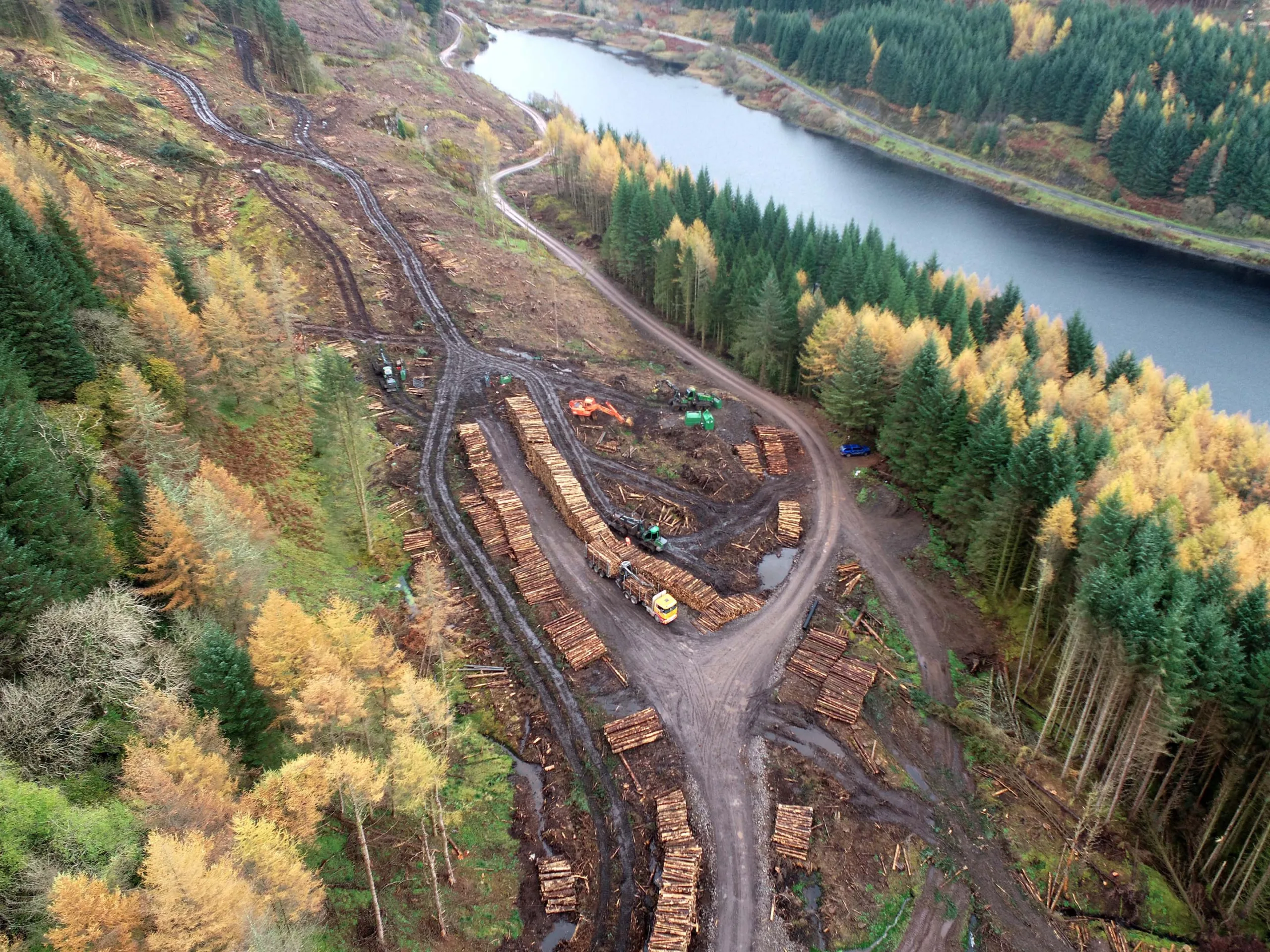
Landscape image of forestry
Here you can find clear, straightforward information about the woodlands we manage.

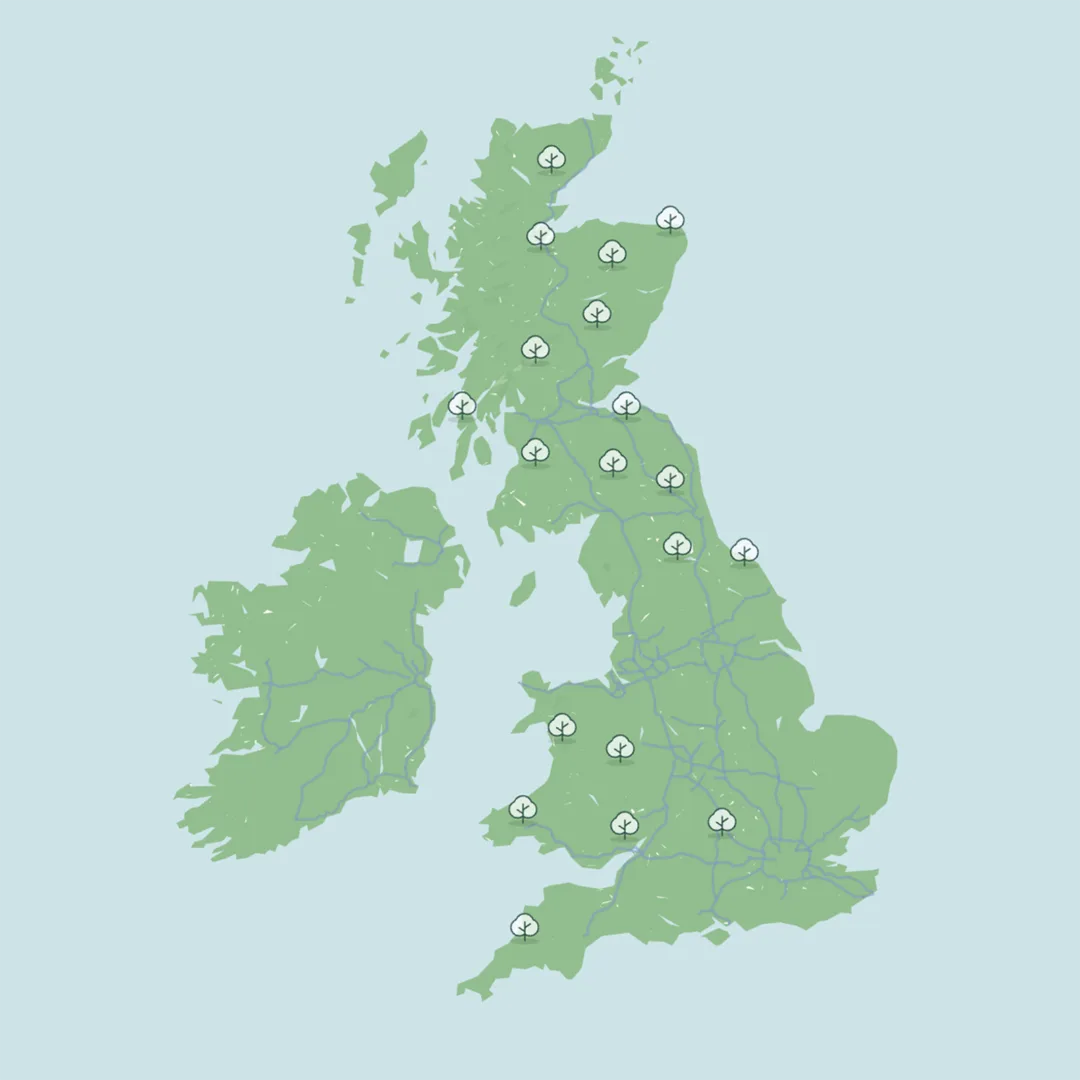
We are the UK’s largest manager of productive forestry

Caring for 140,000 hectares across UK, including 120,000 hectares in Scotland.

For us, forests are much more than simply a financial investment. They are living landscapes that play a vital part in tackling climate change, restoring nature and supporting rural communities.

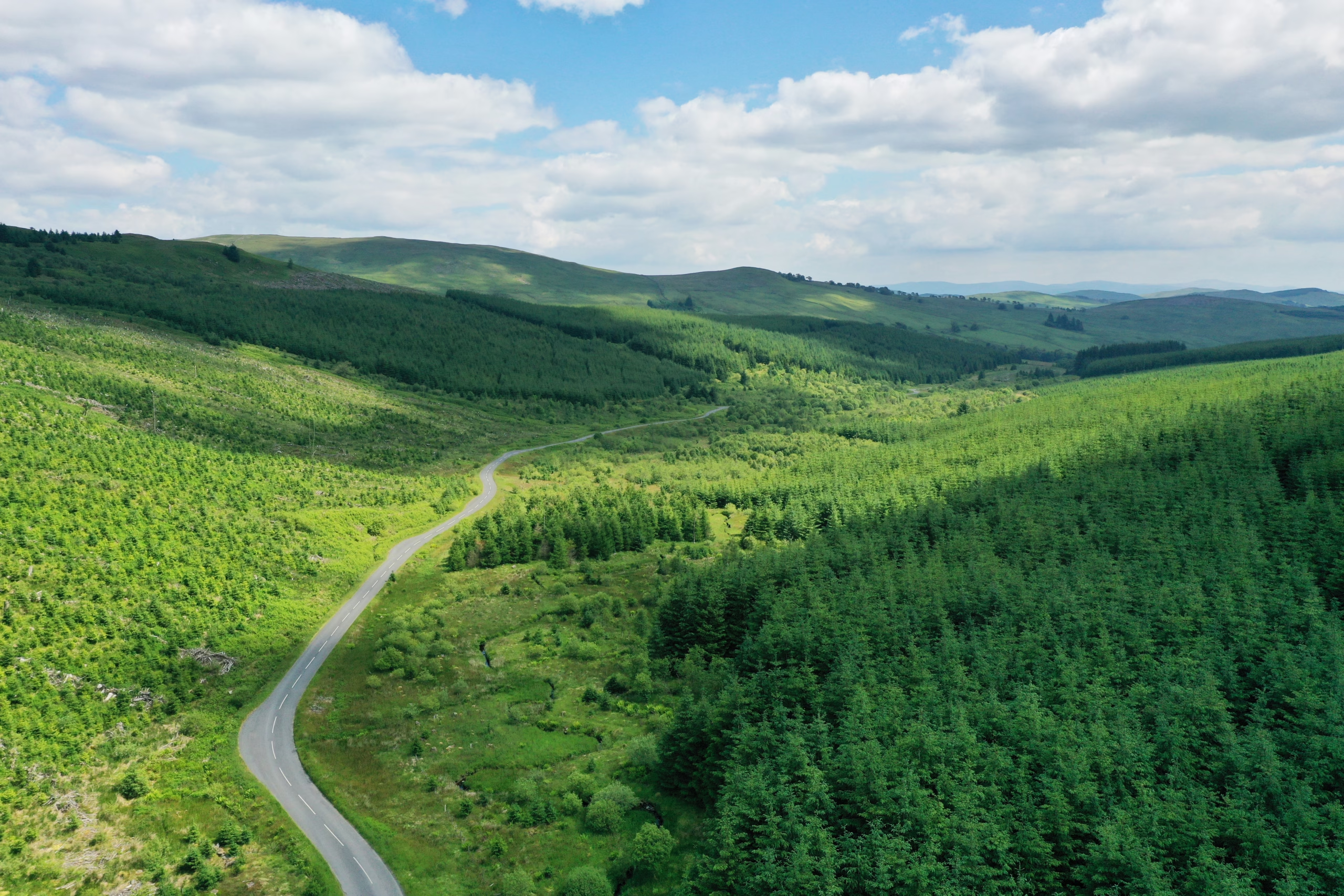
Landscape image of forestry

Why forests matter

We see our forests as part of a circular, low-carbon economy – growing renewable timber that can replace more carbon-intensive materials like steel and concrete, while circulating value back into local communities.

In addition to sustainable timber production, well-managed forests do three important jobs at the same time:

Climate

Trees absorb carbon dioxide as they grow and store it in their trunks, branches, roots and in the soil. When wood is used in buildings and long-lasting products, that carbon can be locked up for decades.

Nature

Forests provide homes for plants, birds, insects and mammals. The way we design and manage our sites is aimed at protecting and improving this biodiversity over time.

People and places

Forestry supports local jobs in planting, maintenance, harvesting, transport, sawmilling and recreation. In Scotland alone, the wider forestry sector contributes a substantial £1.1 billion in Gross Value Add and supports nearly 35,000 jobs1.

Sustainable timber production plays an important role in meeting society’s growing demand for renewable, low-carbon materials.

Demand for wood is rising as it is increasingly used in construction and manufacturing as an alternative to more carbon-intensive materials, while the supply of timber is constrained by long forest growth cycles and the requirements to be managed responsibly to ensure long-term sustainability2. This makes sustainably managed forests an essential and reliable source of timber, helping to support domestic supply, reduce reliance on imports, and contribute to a more resilient, low-carbon economy.
Demand for timber is set to quadruple by 20503

The World Bank estimates that current global demand for timber is set to quadruple by 2050, by which time it is estimated that global supply/demand will change from surplus to deficit.

The UK is the second largest net importer of timber products in the world, heavily reliant on a commodity which is increasingly constrained. The outsourcing or our timber production not only makes the UK hostage to timber insecurity, it also fuels global forest loss through the harvesting of timber in less regulated geographies3.

Forestry management and harvesting

The UK has around 13% woodland cover, compared to a European average of around 40%, making us one of Europe’s least forested nations.

The UK, and each of the home nations, have legally binding environmental targets which include increasing our nation’s woodland cover. The UK has an ambition to plant 30,000 hectares (ha) of new woodland annually.

The UK Forest Standard is the technical standard for forestry across the UK, which provides the foundation for sustainable forest management. It has been developed specifically for forestry in the UK and is based on applying internationally agreed criteria which support the delivery of sustainable forest management and recognise the need to balance environmental, economic and social objectives.

Forestry and biodiversity

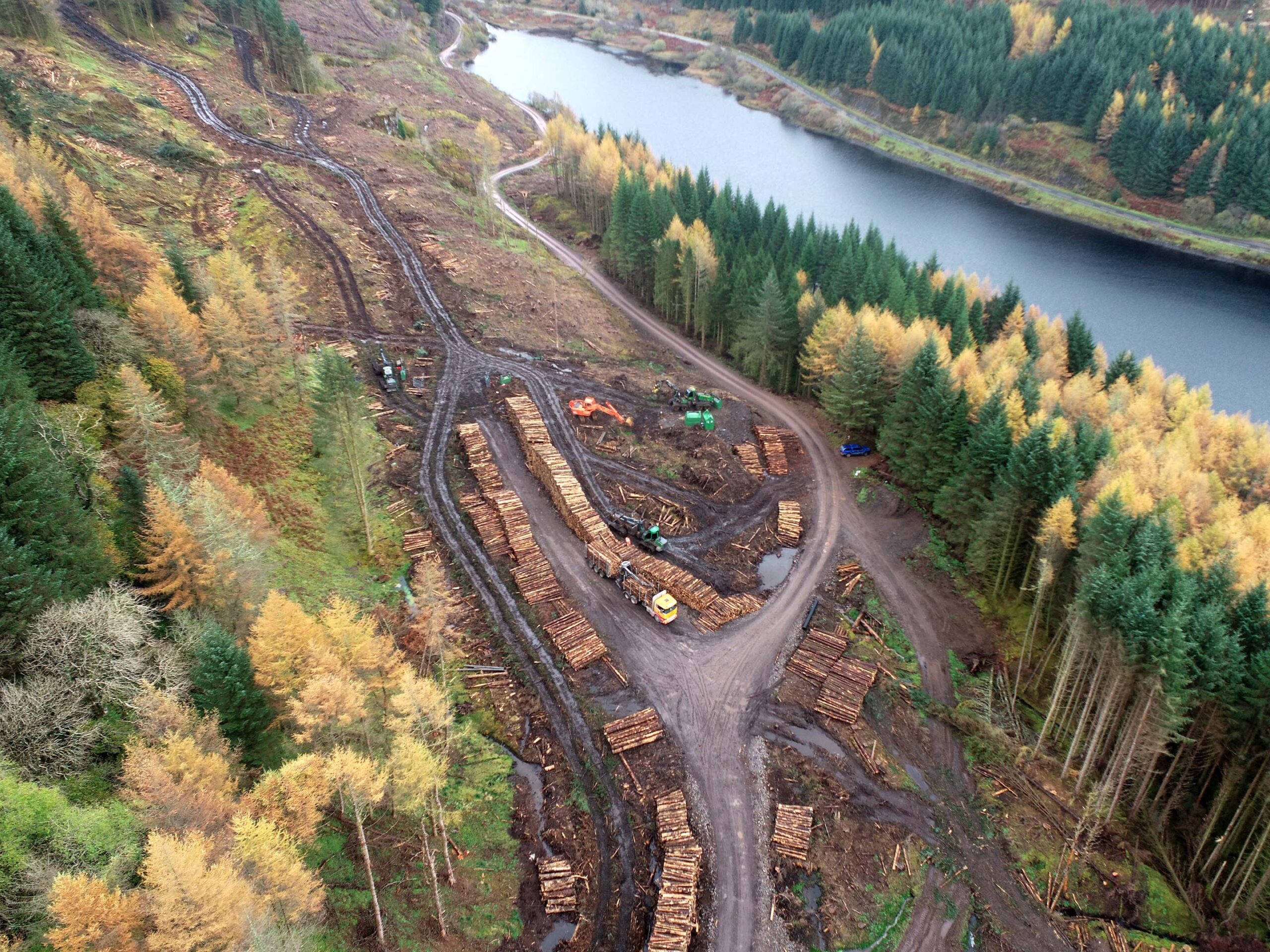
Landscape image of forestry

Our guiding principles

Our forest management is guided by our Gresham House Forest Charter, which sets clear, measurable commitments on climate, biodiversity and people.

In simple terms, we commit to:

Manage forests sustainably

Balancing environmental, social and economic benefits.

Protect and enhance nature

not just avoiding harm but looking for ways to improve habitats and biodiversity.

Support fair work and local economies

Using local contractors where possible and paying at least the National Living Wage in our UK forests.

Be transparent and independently checked

Our forests are certified to recognised standards such as FSC® and PEFC™, and we are regularly audited by third-party specialists.